
 English
 Views: 0 Author: Site Editor Publish Time: 2026-02-03 Origin: Site


Standing at the base of a cliff, staring up at a multi-pitch route, the last thing you want to worry about is your gear. You check your knot, double-back your harness, and count your quickdraws. But what about the piece of gear protecting your most vital asset?
A climbing helmet is arguably the most important piece of personal protective equipment (PPE) you own. Yet, many climbers treat sizing as an afterthought. They borrow a friend's lid or buy the first one on sale online without measuring their head. A helmet that is too loose can slide over your eyes during a fall, blinding you at a critical moment. Conversely, a helmet that is too tight can cause excruciating headaches that distract you from your climbing.
Finding the right fit isn't just about comfort; it is a fundamental safety requirement. Whether you are looking for a lightweight foam model or a durable ABS shell, understanding how to size a climbing helmet correctly ensures that the suspension system works exactly as the engineers intended.
Before pulling out the measuring tape, it is helpful to understand why sizing matters. Climbing helmets are designed to absorb energy. In the event of rockfall or a leader fall where you swing into the wall, the helmet disperses the impact force.
If a helmet sits too high on your head, it leaves your forehead and temples exposed. If it is too large, the impact can cause the helmet to rotate, potentially exposing the very part of your skull it was meant to shield. Furthermore, a poorly fitted helmet creates gaps between the shell and your head, which can reduce the effectiveness of the internal foam padding.
You don't need fancy calipers to get an accurate measurement. All you need is a flexible tailor's tape measure. If you don't have one, use a piece of string or a shoelace, and then measure that against a standard ruler.
Position the tape: Wrap the tape measure around the widest part of your head. This is typically about one inch (2.5 cm) above your eyebrows and just above your ears.
Keep it level: Ensure the tape remains level from the front to the back of your skull.
Take the reading: Note the measurement in both centimeters and inches. Most Climbing Helmet Manufacturer specifications use centimeters as the standard unit of measurement.
Measure twice: Shift the tape slightly and measure again to confirm accuracy.
Once you have your number, compare it to the general sizing chart below. Keep in mind that sizing can vary slightly between brands, so always check the specific manufacturer's guide.
Size Category | Head Circumference (cm) | Head Circumference (inches) |
|---|---|---|
Small / Child | 48 – 57 cm | 19 – 22.5 in |
Medium / Women's | 52 – 58 cm | 20.5 – 23 in |
Large / Men's | 56 – 62 cm | 22 – 24.5 in |
Knowing your head measurement gets you in the right ballpark, but head shape also plays a role. Some climbers have rounder heads, while others have oval-shaped heads. This is why adjustable suspension systems are critical.
When you put the helmet on, open the adjustment dial (usually found at the back) all the way. Place the helmet on your head so that the front rim sits straight across your forehead, not tilted back like a bonnet. Tighten the rear dial or slider until it feels snug but not constricting.
Perform the Shake Test:
Leave the chin strap unbuckled.
Shake your head vigorously from side to side.
Tilt your head forward and backward.
If the helmet stays in place without the chin strap, you have found a solid fit. If it slides around, it is too big. If it feels like a vice grip on your temples, it is too small.
Once the suspension is dialed in, buckle the chin strap. The straps should form a "V" shape around your ears without rubbing against them.
The chin strap should be tight enough to keep the helmet secure but loose enough to allow you to open your mouth comfortably. A good rule of thumb is that you should be able to fit one or two fingers between the strap and your chin. If the strap chokes you when you look up, it needs loosening.
The construction of the helmet can affect how it fits and feels on your head.
Hardshell (ABS): These feature a thick, durable ABS (Acrylonitrile Butadiene Styrene) outer shell with a suspension cradle inside. They are incredibly durable and great for beginners or institutional use. Companies like Jiangmen Shengtao Sports Equipment Co., Ltd. specialize in these lightweight ABS shells with polyester inner foam padding. They often have a "floating" feel because the hard shell sits slightly away from the head.
EPP/EPS Foam: These look more like bicycle helmets. They are lighter and sit closer to the head, often providing a lower profile look. However, they can be less adjustable than their hardshell counterparts.
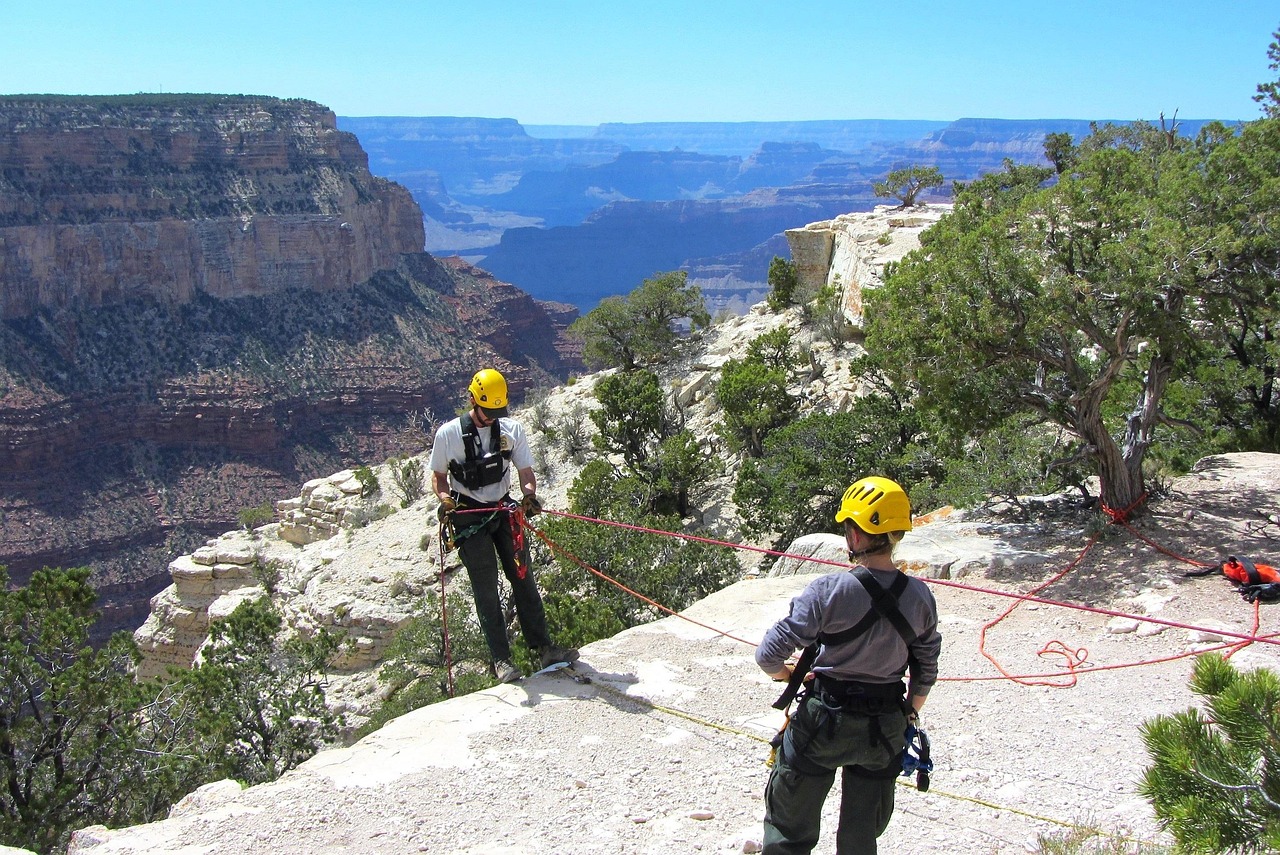
When shopping for gear, you might notice that many reputable brands source their inventory from a China Climbing Helmet factory. This is due to the advanced manufacturing capabilities and specialized experience available in regions like Guangdong Province.
For example, Jiangmen Shengtao Sports Equipment Co., Ltd. has over 28 years of experience in the industry. As a specialized Climbing Helmet Manufacturer, they provide OEM (Original Equipment Manufacturer) and ODM (Original Design Manufacturer) services. This means they produce helmets that meet rigorous international safety standards like CE, CPSC, and ASTM.
When a manufacturer has decades of experience, they understand the nuances of head shapes across different global markets. They design adjustable shells specifically to accommodate men, women, and children within a single versatile model, using high-quality non-absorbent materials that withstand the elements.
Yes, you can, and many climbers do for cold-weather ascents. However, you must account for this when sizing. If you are between sizes (e.g., your head is 57cm), opt for the larger size so you have enough room to crank down the adjustment dial over a thick wool hat.
Even if you never take a massive rockfall hit, helmets degrade over time. UV radiation from the sun weakens plastic shells and foam. Most manufacturers recommend retiring a helmet after 5 to 10 years of use, even if it looks fine. If the helmet sustains a significant impact or if you see visible cracks or deep dents, replace it immediately.
Yes. While many helmets are unisex, women-specific models often feature a smaller shell size and a unique suspension system at the back. This "ponytail port" allows climbers with long hair to pull their hair through above the rear adjustment dial, making the fit much more secure and comfortable.
Generally, no. Bicycle helmets are designed primarily for top-down impact and side impact from crashing on a flat surface. Climbing helmets are specifically tested for top-down penetration (sharp rocks) and impacts from various angles. Always use a certified climbing helmet for climbing activities.
Your helmet is the one piece of gear you hope you never truly "use," but you must trust implicitly. By taking a few minutes to measure your head circumference and performing the shake test, you ensure that your protection is up to the task.
Whether you are scaling a big wall or cragging at your local gym, the right fit makes the difference between a distracted climb and a focused send. Don't rely on guesswork—measure accurately, choose a reputable manufacturer, and climb on knowing you are protected.


