
 English
 Views: 0 Author: Site Editor Publish Time: 2025-12-18 Origin: Site


You double-check your knot. You inspect your harness buckle. You verify your belayer is ready. But when was the last time you seriously inspected the hard shell protecting your brain?
Climbing gear is built to be tough, but nothing lasts forever. Over time, UV rays, minor knocks, and even the natural degradation of plastic materials can compromise the safety of your equipment. While a rope might show fuzzy wear and a carabiner might develop sharp edges, a helmet can often look perfectly fine on the outside while structurally failing on the inside.
Understanding the lifespan of mountaineering and rock climbing helmets is critical for anyone heading into the vertical world. This guide breaks down exactly when to retire your lid, how to spot hidden damage, and why materials like ABS offer specific durability benefits.
Most manufacturers recommend retiring a climbing helmet after 10 years of storage or 5 years of regular use, whichever comes first.
However, this is just a baseline. The actual lifespan depends heavily on how often you climb, where you store your gear, and the materials your helmet is made from.
There is a distinct difference between how long a helmet lasts sitting in a closet versus being worn at the crag.
Shelf life: This refers to a helmet that has never been used. Even in perfect storage conditions, plastics and foams degrade over time. After about 10 years, the materials may become brittle, meaning they won't absorb energy effectively during a rockfall or fall.
Use life: Once you take the helmet out of the box and start climbing, the clock speeds up. Frequent exposure to sunlight, sweat, and minor bumps reduces the lifespan significantly. For a weekend warrior, 3 to 5 years is a safe estimate. For a daily guide, a helmet might only last a year.
1
UV radiation, chemical exposure, and physical impact are the three biggest enemies of your climbing helmet.
While we often worry about big rocks falling from above, the silent killer of climbing gear is often the sun.
Ultraviolet (UV) rays from the sun slowly break down the chemical bonds in plastic shells. This is particularly relevant for high-altitude mountaineering, where UV radiation is stronger. Over time, a helmet that has been bleached by the sun may crack or shatter upon impact rather than deforming to absorb the shock. If the color of your Mountain Climbing Helmet looks faded or the surface feels chalky, it is time for a replacement.
Your helmet is sensitive to chemicals you might not even think about. DEET-based bug sprays, sunscreen, hair products, and even stickers with aggressive adhesives can weaken the polycarbonate or ABS shell. Always store your helmet away from fuel, solvents, and cleaning supplies in your garage or car.
This is the golden rule of climbing safety: One major impact means retirement. Climbing helmets are designed for a single catastrophic event. If you take a whipper and swing into the wall, or if a rock the size of a golf ball strikes your head, the foam liner compresses to save your skull. Once compressed, it cannot bounce back.
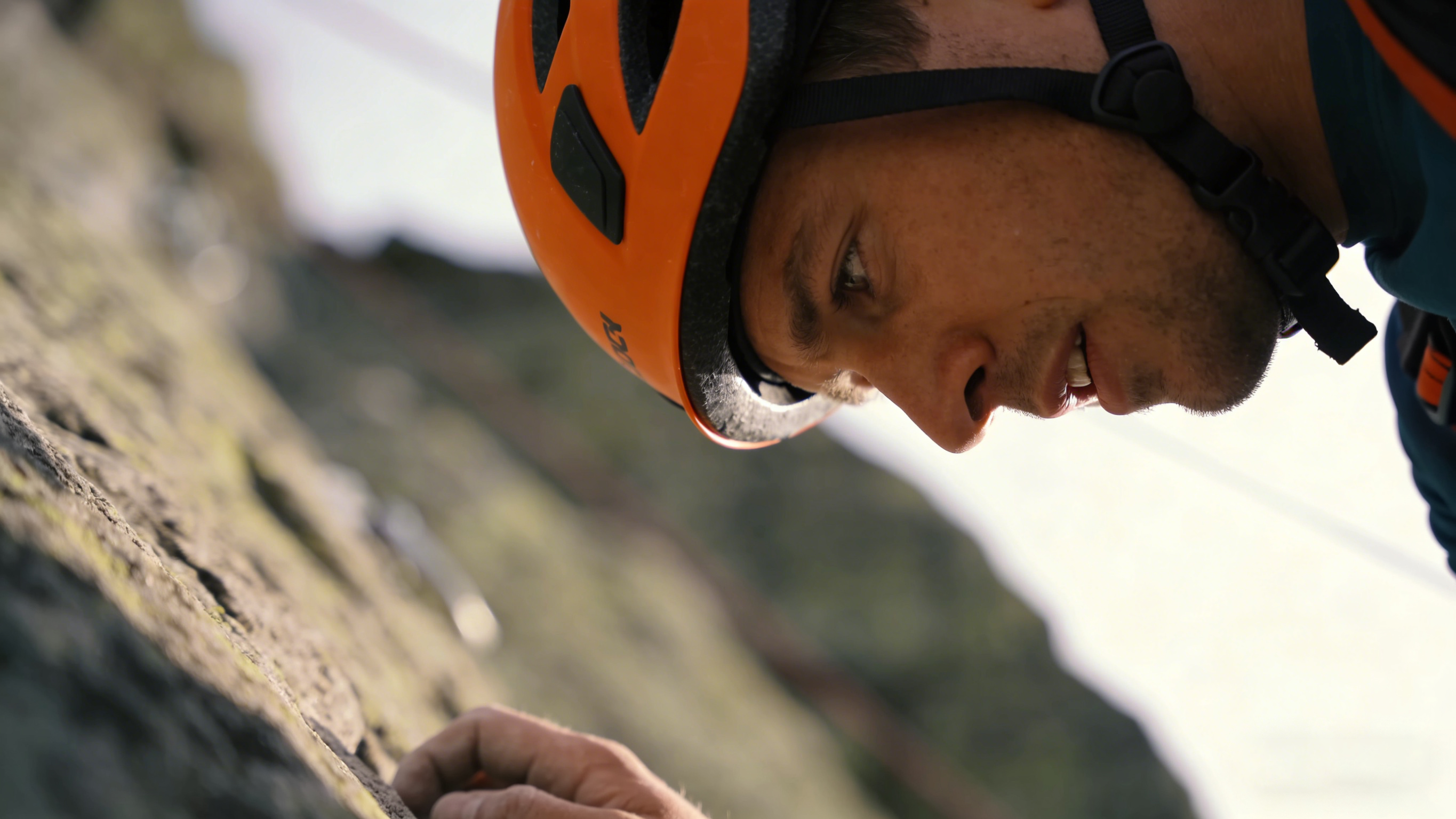
Heavier, hardshell helmets generally last longer and take more abuse than lightweight foam models.
Modern climbing helmets usually fall into two categories: hardshell (ABS/Polycarbonate) and expanded foam (EPP/EPS). Understanding the difference helps you gauge how long yours might last.
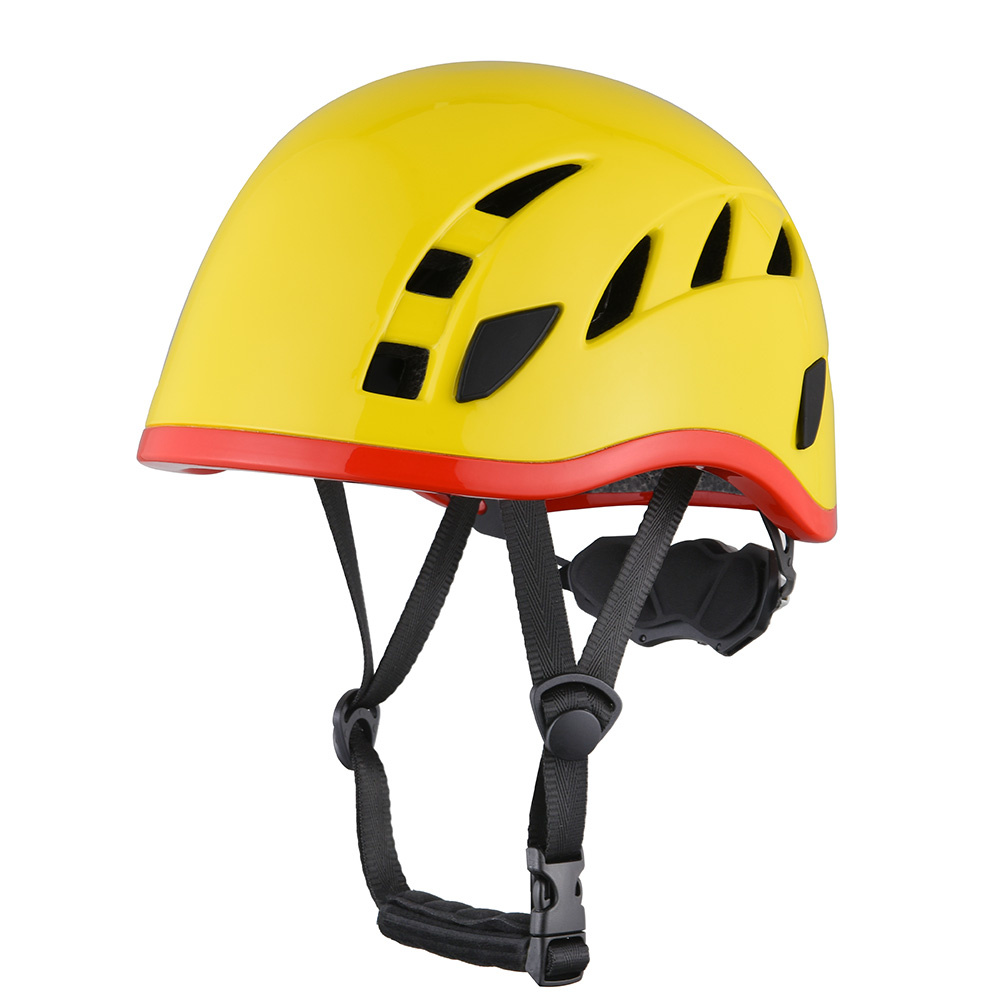
The Mountain Climbing Helmet manufactured by Jiangmen Shengtao Sports Equipment, for example, utilizes high-strength ABS material. This offers robust protection suitable for challenging environments.
Here is a quick comparison of how these materials age:
Helmet Type | Primary Material | Durability | Typical Use Case |
|---|---|---|---|
Hardshell | ABS (Acrylonitrile Butadiene Styrene) | High. Resists scratches and minor knocks well. | Gyms, education centers, rocky mountaineering. |
Hybrid | Polycarbonate shell + Foam liner | Medium. Shell protects foam, but can dent. | All-around climbing, trad, sport. |
Softshell | EPP or EPS Foam (Expanded Polypropylene/Polystyrene) | Low. Very lightweight but fragile. Prone to dings during transport. | Hard sport pushing, alpine fast-and-light. |
You should perform a quick visual check before every climb and a thorough inspection at the start of every season.
Damage isn't always obvious. A hairline crack can render a helmet useless. Here is a checklist for your next gear inspection:
Check the Shell: Look for cracks, dents, or deep scratches. Press gently on the sides; if you hear creaking or popping, the internal structure may be compromised.
Inspect the Foam: Remove the padding if possible. Look for compressed areas or cracks in the foam liner.
Examine the Straps: Ensure the webbing isn't frayed or cut. Check the buckles to make sure they clip securely and don't slide open under tension.
Test the Adjustment System: The dial or slide adjuster should hold firm. If the helmet slips around on your head because the adjuster is broken, it won't protect you during a fall.

No, you should never buy a used climbing helmet. You have no way of knowing the history of the gear. It may have been dropped, stored in a hot car trunk, or exposed to chemicals, all of which could cause invisible internal damage.
They can. The adhesives on some stickers contain chemicals that can weaken plastic shells over time. Some manufacturers advise against stickers entirely, while others say it is fine on specific materials. If you want to customize your helmet, check the user manual first.
Generally, no. Bicycle helmets are designed for different types of impacts (mostly from the side or front during a crash). Mountaineering and rock climbing helmets are specifically tested to withstand impacts from above (falling rocks) as well as side impacts from swinging into a wall. Always use gear certified for the specific sport you are doing.
Your helmet is arguably the most important piece of personal protective equipment (PPE) you own. While it might be tempting to squeeze a few more years out of an old lid to save money, the risk simply isn't worth it.
If you are unsure about the condition of your gear, err on the side of caution. Whether you are scaling big walls or just starting out at the local crag, ensuring your head is protected by a high-quality, uncompromised helmet is the first step to a long life of climbing.


