
 English
 Views: 0 Author: Site Editor Publish Time: 2026-02-24 Origin: Site


Your climbing helmet has been with you through countless adventures. It's protected you from falling debris, bumped against rock faces, and sat in your gear bag through scorching summers and freezing winters. But here's a question many climbers overlook: when should you retire it?
Understanding the lifespan of your climbing helmet isn't just about following manufacturer guidelines—it's about recognizing the signs of wear and knowing when your most critical piece of safety equipment needs replacing. Whether you're scaling indoor walls or tackling alpine routes, your helmet is your first line of defense against head injuries.
Let's explore how long climbing helmets last, what factors affect their longevity, and how to determine when it's time for a replacement.
Most climbing helmet manufacturers recommend replacing your helmet every 3-5 years from the date of first use, regardless of visible wear. However, this timeline can vary significantly based on several factors.
The materials used in modern climbing helmets—typically ABS plastic shells, polycarbonate, or composite materials combined with EPS or EPP foam—naturally degrade over time. UV exposure, temperature fluctuations, and general aging weaken these materials, even if your helmet sits unused in storage.
For helmets stored properly but never used, manufacturers typically suggest a maximum shelf life of 10 years from the manufacturing date. After this period, the materials may have deteriorated to the point where they can no longer provide adequate protection.
Helmets used multiple times per week will wear out faster than those used occasionally. Each climbing session exposes your helmet to potential impacts, UV radiation, sweat, and general wear. Weekend warriors might stretch their helmet to the 5-year mark, while professional climbers or guides should consider replacing theirs every 2-3 years.
Any significant impact—even if there's no visible damage—can compromise your helmet's structural integrity. The foam liner compresses during impact to absorb energy, and it may not fully recover. After a major fall or if your helmet takes a hard hit from falling rock, replace it immediately, regardless of age.
How you store your helmet matters tremendously. Helmets left in hot cars, exposed to direct sunlight, or stored in damp environments deteriorate faster. Heat accelerates the breakdown of foam and plastic, while moisture can degrade adhesives and internal components. Store your helmet in a cool, dry place away from direct sunlight.
Regular cleaning with mild soap and water extends helmet life, while harsh chemicals, petroleum products, or aggressive cleaning agents can damage the shell and liner. Always follow the manufacturer's care instructions to maintain your helmet's protective qualities.
Check your helmet regularly for these warning signs:
Cracks in the outer shell
Dents or deep scratches
Delamination (layers separating)
Crushed or compressed foam
Broken adjustment systems or buckles
Frayed or damaged straps
Any of these indicators means immediate replacement. Don't take chances with compromised protection.
Even without obvious damage, materials show signs of age:
Discoloration or fading (indicates UV damage)
Brittle or stiff foam
Cracking plastic or coating
Deteriorating padding
Loss of adjustment retention
These subtle changes signal that your helmet has reached the end of its protective life.
If your helmet no longer fits securely due to worn padding or stretched adjustment systems, it won't protect you properly. A loose helmet can shift during a fall or fail to absorb impact effectively.
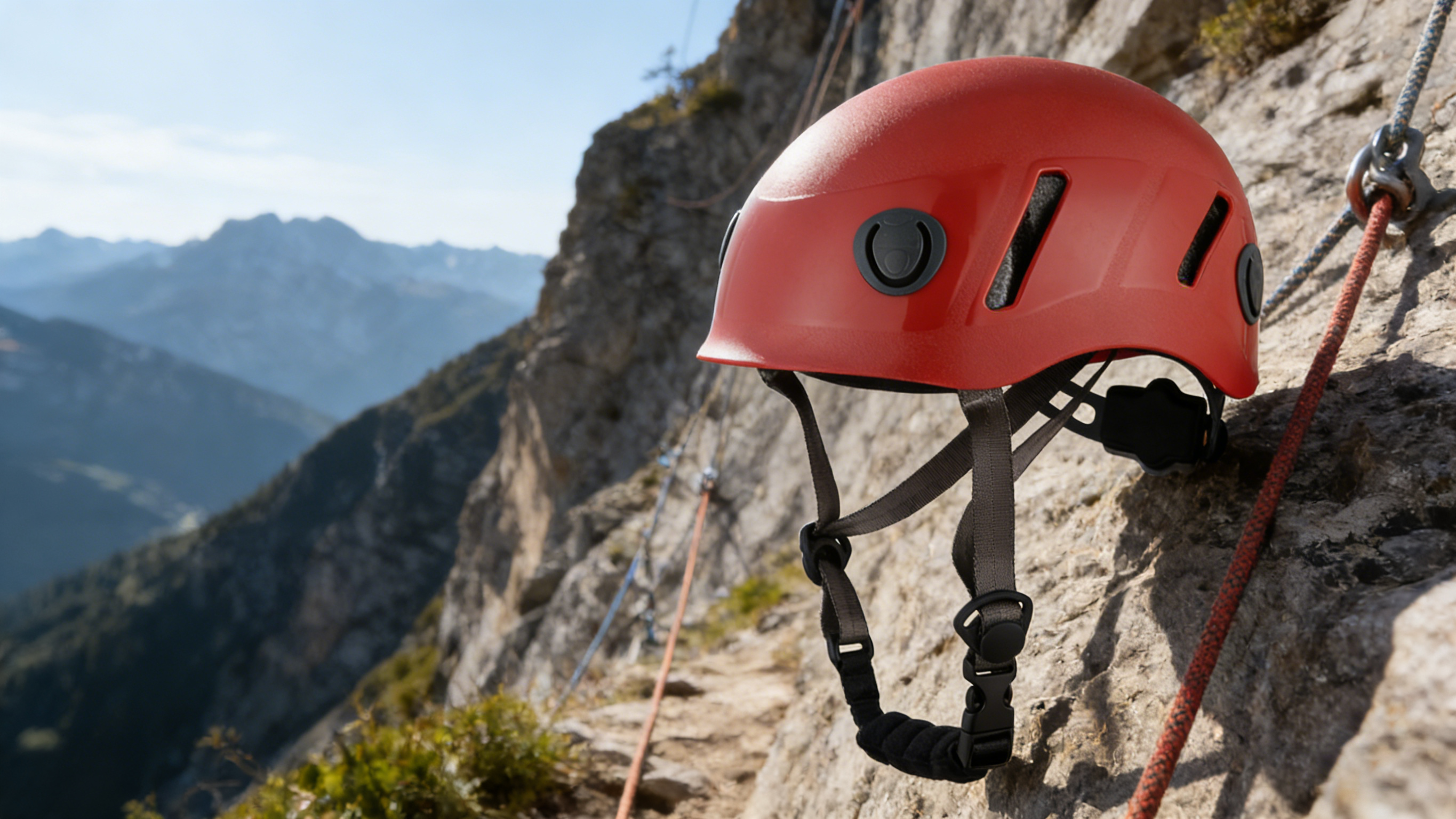
Children's climbing helmets require extra attention. Kids grow quickly, and a helmet that fit last season might be too small now. Never use a helmet that's too tight or sits incorrectly on the head—it won't provide adequate protection.
Additionally, children's helmets often see rougher treatment than adult versions. They get dropped, sat on, and generally handled less carefully. Inspect kids' helmets more frequently and be prepared to replace them more often, both due to growth and wear.
When shopping for a children's climbing helmet, look for adjustable sizing systems that can accommodate growth, but remember that even adjustable helmets have limits. Once your child outgrows the size range, it's time for a new one.
While you can't prevent natural aging, proper care extends your helmet's usable life:
Clean regularly: Wipe down your helmet after each use with a damp cloth. Remove the padding periodically for washing according to manufacturer instructions.
Inspect thoroughly: Before each climbing session, check for damage. Look inside and outside, test all adjustments, and examine straps and buckles.
Store properly: Keep your helmet in a gear bag or on a shelf in a temperature-controlled environment. Avoid leaving it in your car or exposing it to extreme temperatures.
Transport carefully: Use a helmet-specific storage bag or stuff sack to prevent damage during transport. Don't pile heavy gear on top of it.
Avoid chemicals: Keep your helmet away from insect repellent, sunscreen, solvents, and other chemicals that can degrade plastics and foams.
If you're questioning whether your helmet is still safe, that's usually a sign it's time for a new one. The cost of a replacement helmet—typically ranging from $60 to $150—is minimal compared to the potential cost of a head injury.
Manufacturers like Jiangmen Shengtao Sports Equipment Company Limited produce high-quality climbing helmets designed to meet rigorous safety standards. Modern helmets for climbing incorporate advanced materials and construction techniques that provide excellent protection while remaining lightweight and comfortable.
Whether you need a helmet for sport climbing, traditional climbing, alpine mountaineering, or indoor walls, investing in reliable head protection is non-negotiable.
Your climbing helmet is arguably your most important piece of safety equipment. Unlike a worn harness or frayed rope, a degraded helmet shows subtle signs that are easy to overlook. Don't wait for visible damage to consider replacement—stay ahead of the curve by tracking your helmet's age and usage.
Mark the manufacturing date on your helmet when you purchase it, and set a reminder to evaluate its condition annually. Keep records of any significant impacts or unusual wear. When the time comes for replacement, don't hesitate—your safety depends on equipment you can trust.
Ready to upgrade your climbing protection? Explore quality climbing helmet options designed for performance and safety, ensuring your next adventure is backed by reliable head protection.


